
Kansas Storm Preparedness: What Every Homeowner Should Do Before Severe Weather Hits
Severe weather can develop quickly in Kansas. Preparing your family, home, important records, and insurance information before a storm arrives can help you respond more safely and confidently when conditions turn dangerous.
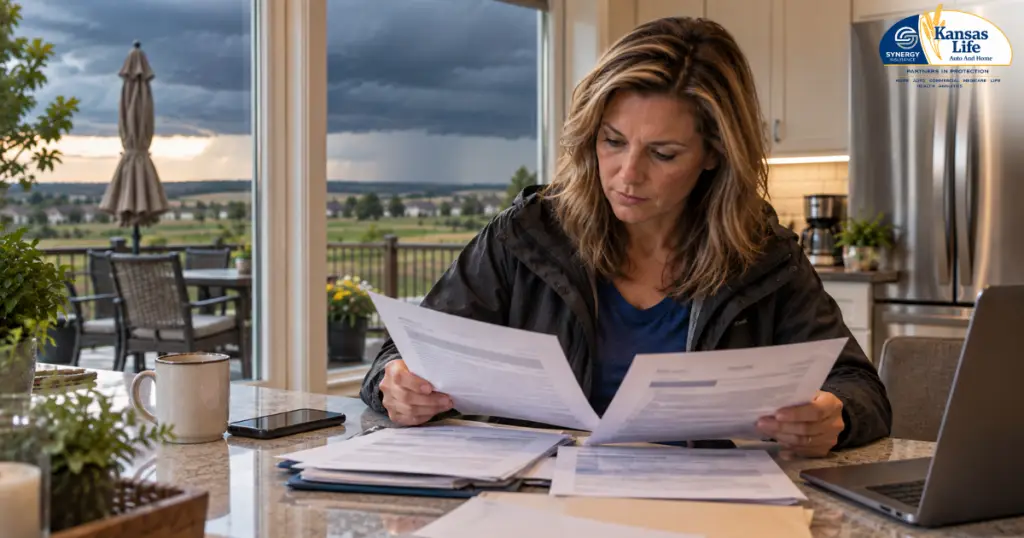
When severe weather is approaching, the worst time to start looking for your insurance policy, deciding where your family should shelter, or trying to secure loose items around your property is at the last minute. Strong winds, hail, heavy rain, severe thunderstorms, and tornadoes are all reasons Kansas storm preparedness deserves attention before threatening weather develops.
You cannot prevent a storm, but you can prepare for one. These practical steps can help Kansas homeowners protect their families, prepare their property, document important belongings, and better understand their homeowners insurance before severe weather hits.
1. Know Where Your Family Will Go
Start with the most important priority: people, not property.
Make sure everyone in your household knows where to go when severe weather threatens. Identify your safest available shelter location ahead of time and make sure children and other household members understand the plan. Keep reliable ways to receive current weather information and warnings, and avoid relying on only one method of communication.
If severe weather is already occurring, follow official safety instructions rather than going outside to inspect or protect property.
2. Keep Essential Storm Supplies Accessible
You do not want to search through cabinets and closets after a warning has been issued. Keep essential emergency supplies somewhere accessible. Depending on your household’s needs, that may include:
● Flashlights and extra batteries
● Drinking water
● Necessary medications
● A first-aid kit
● Phone charging or backup power options
● Important contact information
● Copies of important documents
● Basic supplies for children or pets, when applicable
Check your supplies periodically and replace expired or unusable items.
3. Walk Around Your Property Before Severe Weather Arrives
When conditions are safe, inspect your property for visible concerns that could become more problematic during strong winds or heavy rain. From the ground, look for obvious exterior issues such as loose or damaged materials. Check accessible windows, doors, gutters, downspouts, drainage areas, and other exterior features that may need attention.
Also look around your yard for loose outdoor items. Patio furniture, decorations, lightweight equipment, and similar objects may need to be secured or moved to a protected location before high winds arrive. Do not climb onto your roof simply to prepare for a storm. If you notice something concerning that cannot be evaluated safely from the ground, consider having an appropriate professional inspect it.
4. Document Your Home Before Damage Happens
One of the easiest preparedness steps is also one homeowners may overlook: creating a current record of their property and belongings. Take clear photos or videos of your home’s exterior and interior. Consider documenting vehicles, major appliances, electronics, furniture, and other valuable belongings as appropriate.
Keep these records somewhere you can access them even if your home or primary device is damaged. Having current photos, videos, receipts, serial numbers, or other available records can provide useful documentation if you later need to report storm-related damage to your insurer.
5. Know Where Your Insurance Information Is
Do you know where your homeowners insurance policy information is right now?
Before severe weather arrives, make sure you can quickly access your insurer’s contact information, policy information, and other important documents. Consider keeping secure digital copies in addition to physical documents so important information is not available in only one location. Having this information organized before an emergency can make the next steps easier if your property is damaged.
6. Review Your Homeowners Insurance Before Storm Season
Do not wait until after damage occurs to start learning how your policy works. Review your homeowners insurance and become familiar with important details such as:
● Coverage limits
● Deductibles
● Applicable exclusions
● Property and belongings coverage
● Other policy terms that may affect your situation
Insurance policies and individual circumstances vary. Do not assume that every type of storm damage, property, or expense is automatically covered. If something in your policy is unclear, ask your insurance professional to explain what your specific coverage includes, excludes, and requires.
Understanding your policy before severe weather can help you make more informed decisions and reduce avoidable surprises.
7. Know What to Do After the Storm
Preparation should also include knowing what not to do after severe weather passes. Put personal safety first. Stay away from downed power lines, unstable structures, standing water near electrical hazards, and other dangerous areas. Do not enter an unsafe or seriously damaged structure simply to inspect belongings.
When it is safe, document visible damage with photos or videos before making major cleanup or repair decisions. If immediate action is necessary to prevent additional damage, keep records of what was done and retain relevant receipts or documentation. For questions about reporting damage or the claims process, contact your insurer or insurance professional and follow the instructions applicable to your policy and situation.
Kansas Storm Preparedness Checklist
Before severe weather threatens your area, ask:
● Family plan: Does everyone know where to shelter?
● Weather information: Can you receive reliable watches and warnings?
● Emergency supplies: Are essential supplies accessible and current?
● Outdoor items: Have loose objects been secured or moved?
● Home exterior: Have visible concerns been addressed safely?
● Property records: Do you have current photos or videos of your home and important belongings?
● Important documents: Can you access your insurance and other essential information?
● Insurance policy: Do you understand your coverage limits, deductibles, and applicable exclusions?
● After-storm plan: Does your household know to prioritize safety before inspecting property?
A few minutes spent reviewing these items before severe weather develops can make your household better prepared when conditions change quickly.
Prepare Before the Next Kansas Storm
Kansas storm preparedness is not about predicting exactly when or where severe weather will occur. It is about taking reasonable steps while conditions are calm so you are better prepared when severe weather threatens. Know your family’s safety plan. Keep emergency supplies accessible. Address visible property concerns when it is safe to do so. Document your belongings. And understand your homeowners insurance before you need to use it.
Synergy Insurance helps Kansas families review their insurance coverage and better understand their options. If you have questions about your homeowners insurance or would like to review your current coverage, call (316) 500-1818.
Preparing today cannot prevent severe weather, but it can help you face the next Kansas storm with a clearer plan.