
Medicare Coverage Made Clear This Summer
What Wichita Seniors Should Know About Medicare
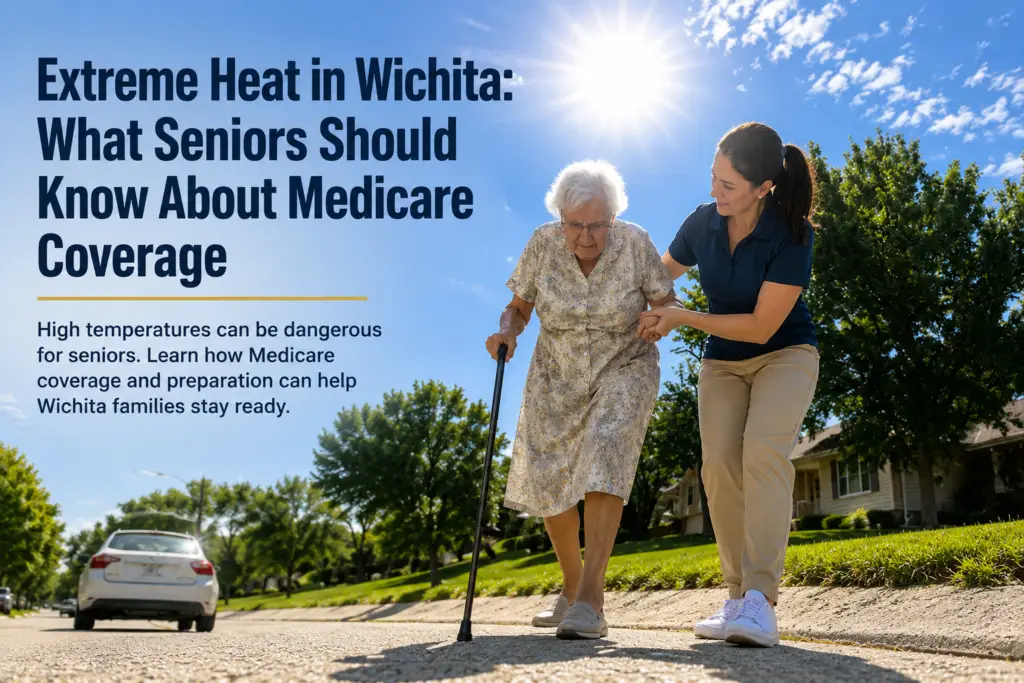
Wichita Heat Advisory: Is Your Medicare Coverage Ready for a Summer Emergency?
Dangerous heat is affecting Wichita and communities across South-Central Kansas.
The National Weather Service office in Wichita has issued heat alerts for the region, with heat index values around 105°F expected in the Wichita area and even more dangerous conditions possible in parts of southern Kansas. For many families, this is a reminder to drink more water, stay indoors during the hottest part of the day, and check on older relatives and neighbors.
It is also a good time to ask an important question:
Do you understand your Medicare coverage before an unexpected health problem occurs?
Why Extreme Heat Can Be Riskier for Seniors?
Older adults do not always adjust to sudden temperature changes as well as younger people. They are also more likely to have chronic health conditions or take medications that affect the body’s ability to control temperature or sweat.
During extreme heat, older adults may be more vulnerable to dehydration, dizziness, heat exhaustion, heat stroke, falls, and worsening heart or breathing problems. Some medications may also affect hydration or how the body responds to heat. Seniors should continue taking medications as directed and speak with a healthcare provider before changing a dose, schedule, or fluid intake.
Does Medicare Help Cover Heat-Related Medical Care?
Medicare does not have a special benefit specifically for hot weather. However, it may cover medically necessary care received because of a heat-related illness, subject to Medicare rules and applicable costs. For example, Medicare Part B generally covers emergency department services for a sudden illness, injury, or condition that quickly becomes worse.
Medicare may also cover emergency ambulance transportation when traveling in another vehicle could endanger the patient’s health. Coverage is generally limited to transportation to the nearest appropriate medical facility that can provide the required care. Deductibles, coinsurance, and other rules may apply.
Medicare Advantage plans must provide Medicare-covered emergency services, but provider networks, copayments, prior authorization rules for nonemergency care, and other plan details may differ. That is why seniors and caregivers should review the actual plan documents instead of assuming every service will be covered in the same way.
Five Things to Review Before Summer Emergencies
1. Your doctors and nearby care options
Know which doctors, specialists, urgent care centers, and hospitals participate in your plan when network rules apply. Keep their contact information somewhere easy to find.
2. Your prescriptions
Review your medications, dosages, refill schedule, and storage instructions. Some medicines can be affected by excessive heat, so avoid leaving them in a hot vehicle or direct sunlight unless the label or pharmacist says otherwise.
3. Your emergency and ambulance benefits
Learn how your plan handles emergency care, urgently needed services, and ambulance transportation. Understanding the rules ahead of time can reduce confusion during a stressful situation.
4. Your potential out-of-pocket costs
The monthly premium is only one part of healthcare spending. Deductibles, copayments, coinsurance, pharmacy costs, and provider-network rules can also affect what you pay.
5. Changes in your healthcare needs
A new prescription, doctor, diagnosis, or preferred pharmacy may affect how well your current plan fits your needs. Keep in mind that plan changes are generally limited to applicable Medicare enrollment periods or qualifying circumstances.
Simple Ways to Help Wichita Seniors Stay Safe
During extreme heat, encourage older family members and neighbors to stay in air-conditioned spaces, drink water regularly when medically appropriate, and avoid strenuous outdoor activity during the hottest hours. Make sure they have access to a working phone, transportation, medications, emergency contacts, and a current list of health conditions.
Watch for warning signs such as confusion, fainting, severe weakness, nausea, dizziness, rapid breathing, or an unusually high body temperature. Heat stroke is a medical emergency. Call 911 when someone shows serious symptoms or cannot safely reach medical care. A brief phone call, a cold bottle of water, or help with an errand can make a real difference during a Wichita heat advisory.
Understand Your Coverage Before You Need Care
Extreme heat can turn a normal day into a health concern quickly. Knowing which doctors you can see, how your prescriptions are covered, what emergency care may cost, and where to go for help can make a stressful situation easier to manage.
At Synergy Insurance, we help Wichita-area residents compare Medicare options from multiple highly rated carriers and understand the details in plain English.
Not sure whether your current coverage still fits your needs? Call 620-200-6178 or visit synergyinsuranceks.com for a straightforward Medicare review.